ALICE.report

The scenario library

Who leads when it burns

In the library at Alexandria someone takes charge. It is rarely the person with the title. Alice notices.

How a world is built

Four eras. One instrument.

A neuro-quest world is a story with an instrument under it. The story changes from world to world. The instrument does not.

Every world has four eras, and a session runs one world from the first era to the last. An era holds missions on the Clock: five minutes each, sixty seconds at the peaks, a window Alice can widen or narrow between three and ten minutes. Every era loads three competencies hardest. All 25 are scored in every era, but the plot decides which ones are under the most strain, and the era posters below say which. Every era has characters Alice voices, and at least one of them wants something the team does not. Every era has a twist bank, and the twists fire on what the Room is doing, not on a schedule. Every era ends on a peak: sixty seconds, one decision, three ways it can go. The way it goes sets the opening of the next era, which is what makes the plot a plot rather than a row of puzzles.

The eight Opportunity Cards, the Captain Rotation and the Clock are identical in every world, so card use in Blackout reads the same as card use in Timefold. That is what lets the Cohort hold across worlds: the Assessor hears the same 92 indicators under a burning library and under a failing substation.

One more rule, and it is the reason Timefold is the flagship. Nobody in the room has done it before, and no industry gives anyone a head start. A chief engineer has no advantage in a mint in 1498. Neither does the CEO.

Every world

Eras
4
Competencies loaded per era
3 of 25
Mission Clock
5 minutes; 60 seconds at the peaks; 3-10 minute windows
Era ending
A peak: one decision, three outcomes, each opening the next era differently
Characters
Voiced by Alice; at least one per era who wants something the team does not
Twists
Triggered by silence, latency, consensus without dissent, captain monopoly, card use
Cards, rotation, Clock
Identical across worlds
Indicators
92, the same set, scored against one Cohort
IN DEVELOPMENT · FLAGSHIP

Four eras, four artifacts

You are the Keepers of the Museum of Time. Tonight the Stabilizer in the Hall of Eras has failed, and four artifacts the museum was built to hold have fallen back into the eras they came from. Retrieve all four and return before the museum's own timeline collapses. Alice is the voice in the Hall. She sends you out and brings you back.

Timefold is first for a reason. The settings are universal: a library, a mint, a shipyard, a station in orbit. Nobody has been to any of them. A session needs nothing from the participants except themselves, which is why Timefold is the world for leadership teams, project teams and founding teams, and the world every custom world is measured against.

The four artifacts are the Index, the master die, the tide ledger and the Primer. Each era has one, and each era takes a different kind of team to get it back.

Alice · the briefing · 00:00

“The Stabilizer failed at 00:14. Four artifacts are gone, and the Hall is losing years by the minute. You are going after them. Pick a captain. Sixty seconds. Nobody keeps the seat twice in a row.”

Nobody may be captain more than twice, and never twice in a row.

Timefold · Four eras, four artifacts

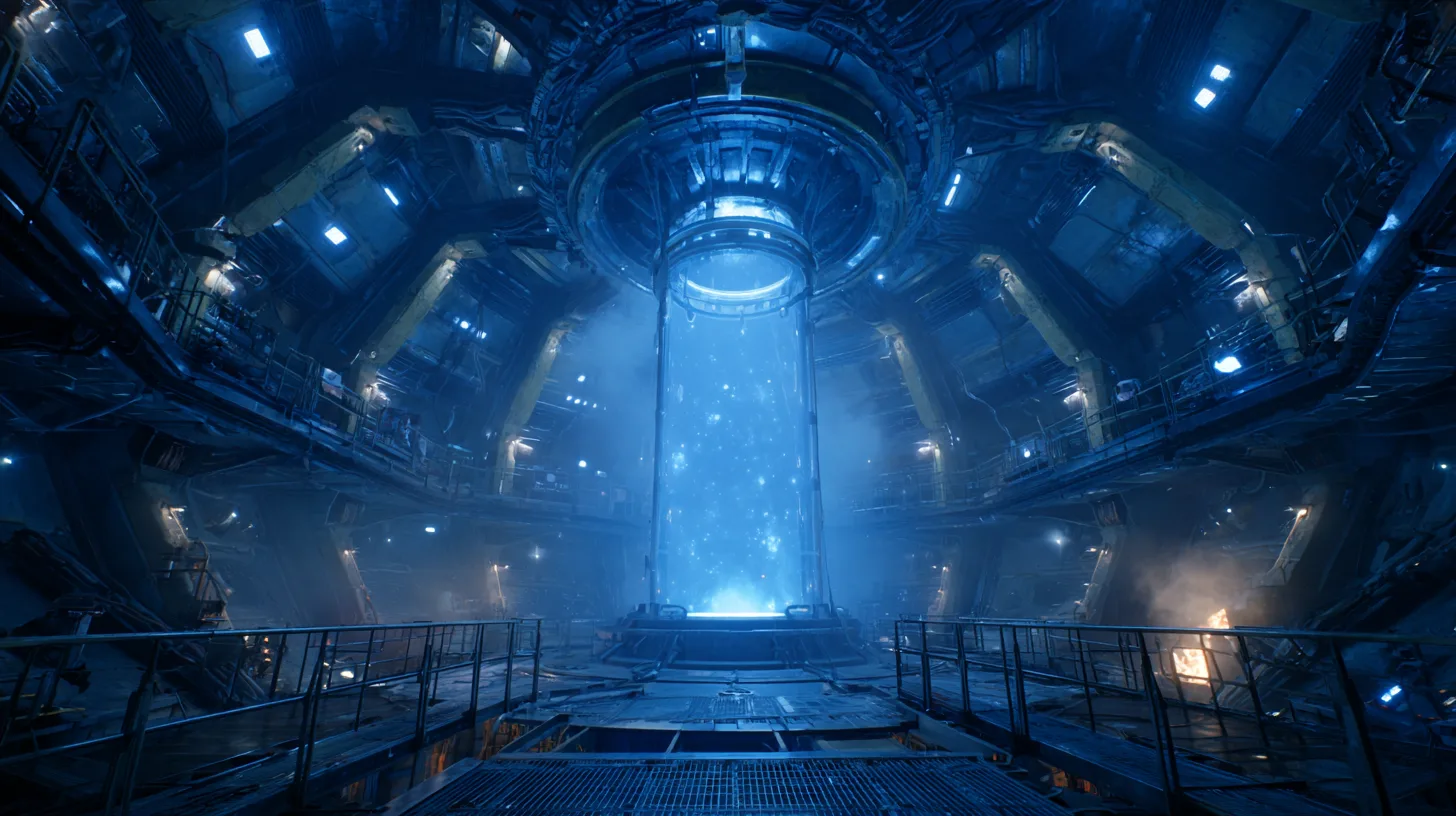
Era 01 · Alexandria 48 BC · opens 00:15sample

The Burning Library

The artifact: the Index

Save what can be saved before the east wing goes. Decide what the archive is for.

Loads hardest

  • Analytical abilityExecution · indicators 70-72
  • Stress toleranceAdaptability · indicators 86-89
  • CollaborationCollaboration · indicators 20-23

Under most strainVelocity · Pressure · Voice

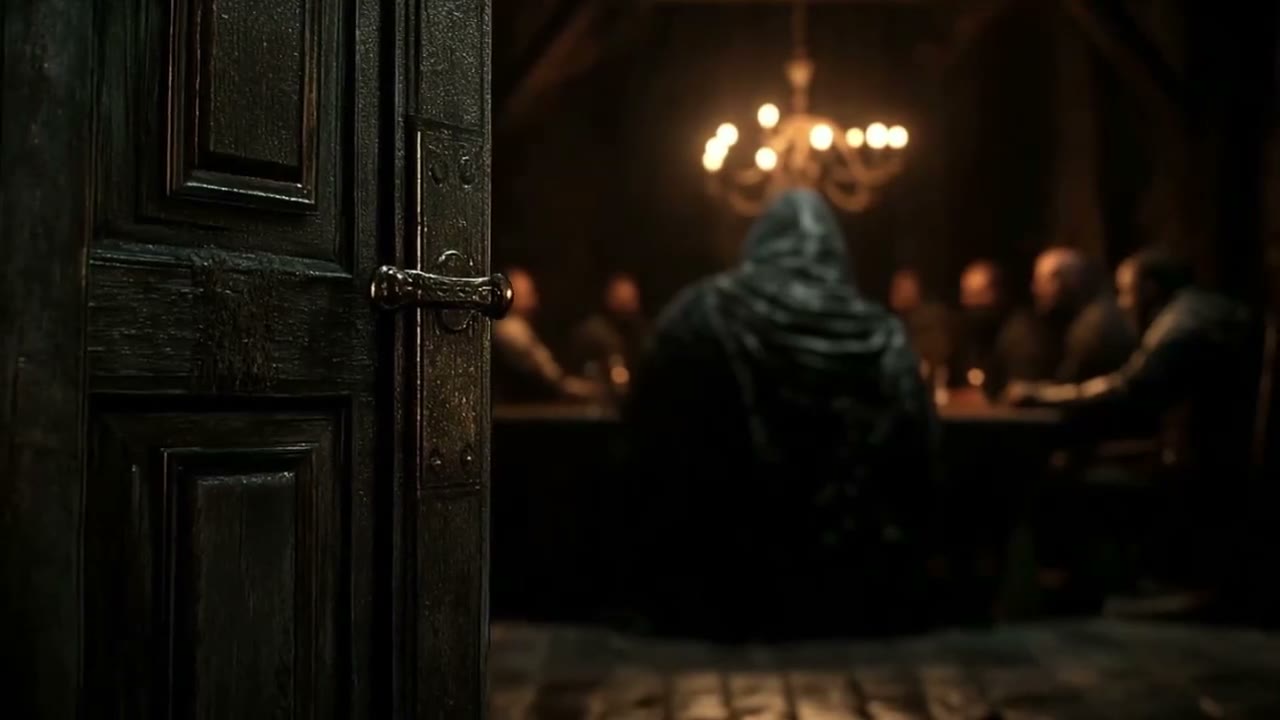
Era 02 · Venice 1498 · opens 00:40sample

The Mint Conspiracy

The artifact: the master die

Find who is debasing the coin before the mint closes at the bell. Someone in the room knows.

Loads hardest

  • Communication clarityCommunication · indicators 1-4
  • Adaptive leadershipLeadership · indicators 43-46
  • EmpathyCommunication · indicators 5-8

Under most strainConflict · Trust · Voice

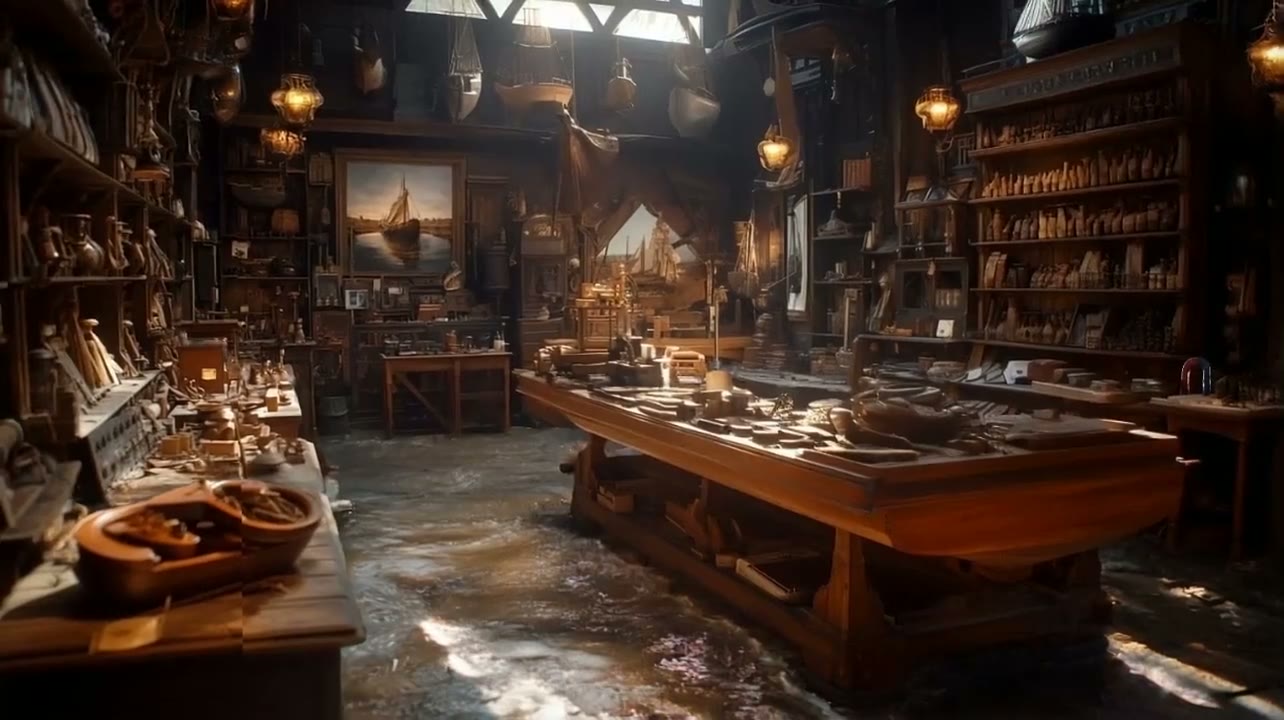
Era 03 · Amsterdam 1702 · opens 01:05sample

The Flooded Shipyard

The artifact: the tide ledger

Get one hull seaworthy with half the crew, rising water and a deadline set by the tide.

Loads hardest

  • Project and organizational skillExecution · indicators 58-61
  • Creativity and innovationAdaptability · indicators 76-79
  • Resource managementExecution · indicators 62-65

Under most strainRoles · Velocity · Learning

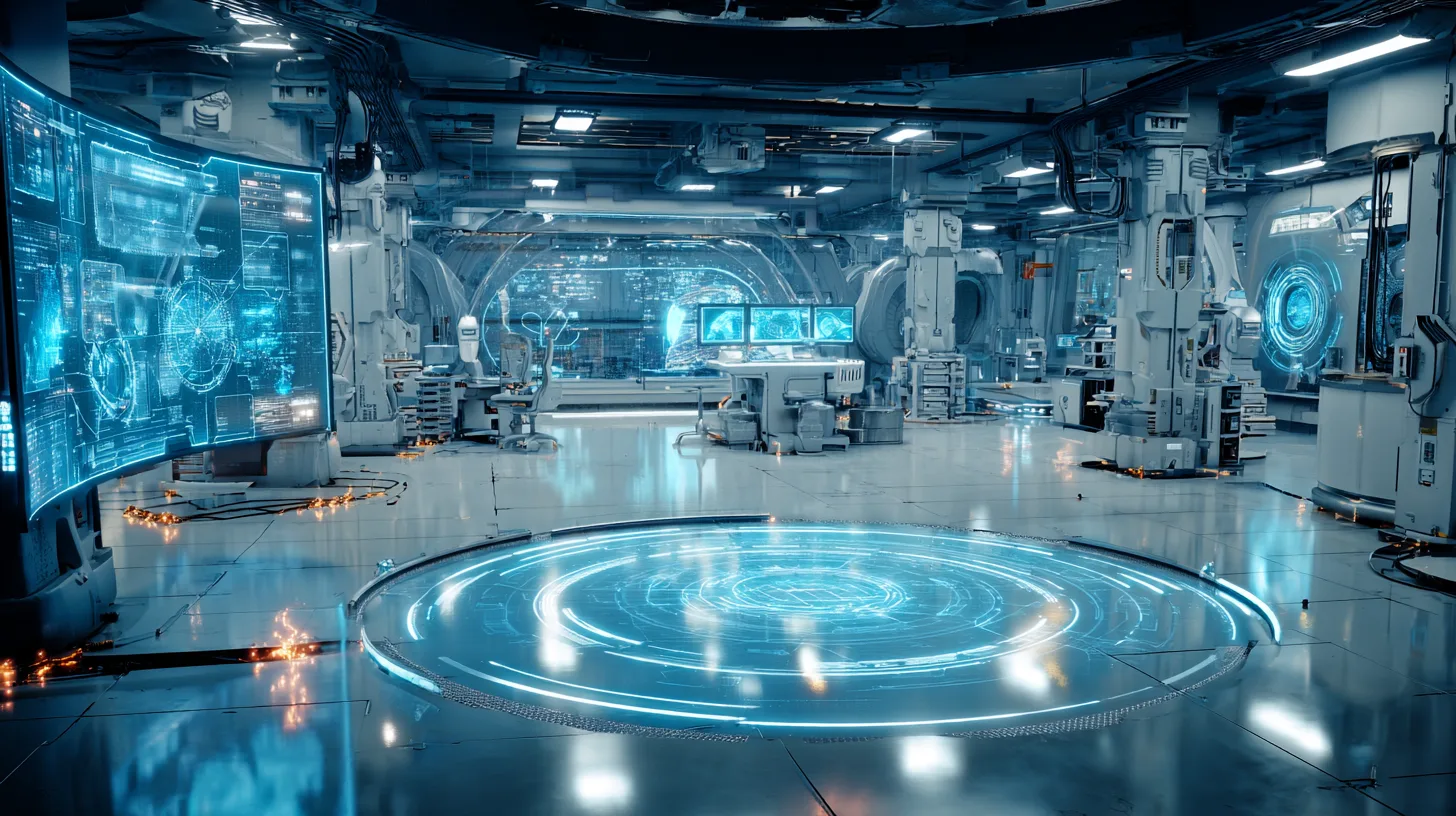
Era 04 · Orbit 2100 · opens 01:30sample

The Dormant Engine

The artifact: the Primer

Wake a mechanism nobody alive has operated, with the manual in a language the station forgot.

Loads hardest

  • Creativity and innovationAdaptability · indicators 76-79
  • DelegationLeadership · indicators 39-42
  • Learning agilityAdaptability · indicators 83-85

Under most strainRoles · Learning · Pressure

The ending

The fourth era ends at the Stabilizer. What happens to the Museum depends on which artifacts came back and in what state: the Index, the master die, the tide ledger, the Primer. Nothing on the scenario screen ever shows a score. The team learns how it did the way a crew does, by whether the Hall of Eras holds. The numbers come 15 minutes after the last decision, in the Alice Report, and the first question of the debrief is about Venice.

Timefold · Any team of 5-12: leadership teams, project teams, founding teams.

$2,900 per session, 5-12 participants, the Alice Report included.

The four eras at a glance · year, era, what it loads, the artifact, the missions, the characters

The artifact: the Index

  • Analytical ability
  • Stress tolerance
  • Collaboration

Under most strainVelocity · Pressure · Voice

Missions

  1. The Catalog The Librarian will read the Index aloud, once, as fast as the team can take notes. Decide what to go for.
  2. The East Wing Carry out what you chose before the door closes. Not everything fits through one door.
  3. The Lecternpeak · 60 s The crates are out. The Index is still on the lectern, and the Harbor Captain's boat leaves when the Clock does. Go back for it, or not. Sixty seconds.

Characters, voiced by Alice

  • The LibrarianWants everything saved, which is impossible, and answers only the question that was asked.
  • The Harbor CaptainHas a boat and a departure time. He sells space, not advice.
  • The ApprenticeKnows exactly where the Index is. Nobody finds that out unless somebody on the team asks the Apprentice.

Closes in one of three statesthe Index saved · the crates saved · the boat gone

The artifact: the master die

  • Communication clarity
  • Adaptive leadership
  • Empathy

Under most strainConflict · Trust · Voice

Missions

  1. The Ledgers Three ledgers disagree. Reconcile them in five minutes and say which one is lying.
  2. The Interview Three suspects, one bell, and only the captain may ask questions. Everyone else can pass the captain a note.
  3. The Accusationpeak · 60 s Name someone, or refuse to, before the bell. The Clerk accepts either answer and writes it down. Sixty seconds.

Characters, voiced by Alice

  • The Mint MasterDefends his house. He tells the truth about everything except one thing.
  • The ClerkWants a name and is indifferent to whether it is the right one.
  • The MoneyerThe hands that strike the coin, is frightened and will talk to one Keeper, not to a crowd.

Closes in one of three statesthe right name · the wrong name · no name

The artifact: the tide ledger

  • Project and organizational skill
  • Creativity and innovation
  • Resource management

Under most strainRoles · Velocity · Learning

Missions

  1. The Two Hulls Pick one hull and abandon the other. The Shipwright favors the wrong one.
  2. The Crew Twenty tasks, ten hands, one tide. Assign them.
  3. The Tidepeak · 60 s The hull is nearly there. Launch now on a hull you are not sure of, or hold for the next tide and lose the ledger. Sixty seconds.

Characters, voiced by Alice

  • The ShipwrightKnows the hulls and not the tide. He is wrong once, and sure.
  • The HarbormasterKnows the tide to the minute and will say it once.
  • The ForemanSpeaks for the ten. He takes orders from one captain, not from seven.

Closes in one of three stateslaunched seaworthy · launched and taking water · held and the tide lost

The artifact: the Primer

  • Creativity and innovation
  • Delegation
  • Learning agility

Under most strainRoles · Learning · Pressure

Missions

  1. The Three Lines The Archivist can translate three lines of the manual, and only three. Choose them.
  2. The Sequence The Last Engineer remembers the start-up sequence. He remembers one step wrong. Load it, with the Primer, across three consoles.
  3. Ignitionpeak · 60 s The sequence is loaded. The Engineer is sure. The Archivist is not. Ground is ninety seconds away. Ignite, wait, or ask. Sixty seconds.

Characters, voiced by Alice

  • The ArchivistCan read the language, slowly, and translates what is asked for, not what is needed.
  • The Last EngineerRan the engine as an apprentice. He is sure of the sequence and wrong in one step.
  • Ground ControlA precise voice ninety seconds away. Every question costs three minutes of Clock and some Autonomy.

Closes in one of three statesthe engine wakes · the engine stalls · the team is still asking Ground when the Clock ends

IN DEVELOPMENT

One night in the control room

A city grid fails on a winter evening, a few minutes before nine, and the team is the control room. Blackout tells its four eras as clock times, and the hours between them are not skipped. Alice narrates what the city did while the team was deciding, and the city remembers. A district left dark at 21:00 is a district that calls at 23:40.

Blackout is for teams that already know what 02:15 feels like: operations, crisis, incident and product teams. The setting is close to their work and the instrument is the same as Timefold’s. No one’s job title helps, because the grid in Blackout is nobody’s grid.

Alice · 23:40, the Hospital Wing

“The hospital has forty minutes of diesel. You have five. Decide.”

Director's Log sample
  1. 01:12:30 02:15, the Reservoir. Pump plan in progress, captain speaking. Trigger: the Press Officer asks for one sentence, now. Clock reset to 60s.

Session time; the in-world hour is inside the entry.

One night, four eras · the hours between them are not skipped

  1. 21:00 The Substation
  2. 23:40 The Hospital Wing
  3. 02:15 The Reservoir
  4. 05:50 The Restart
  1. 21:00 The Substation Triage the first failures and decide what stays dark.
    • Analytical ability
    • Decision-making and execution
    • Stress tolerance
    Wants somethingThe outgoing Shift Lead, on the phone from home, who left a note nobody can read.
  2. 23:40 The Hospital Wing Power for the wing or power for the district. Someone has to call it.
    • Communication clarity
    • Empathy
    • Risk management
    Wants somethingThe hospital's Chief of Facilities, who has forty minutes of diesel and says so every four.
  3. 02:15 The Reservoir Pumps, people and a budget that runs out before dawn.
    • Resource management
    • Collaboration
    • Persistence
    Wants somethingThe Pump Chief, who needs six people the team does not have, and the City Press Officer, who needs one sentence.
  4. 05:50 The Restart Bring the grid back in the right order, and own what went wrong.
    • Accountability
    • Learning agility
    • Strategic thinking
    Wants somethingThe Regulator, who arrives at dawn with one question: what happened at 23:40.

The twists · built on sequence

Everything the team does at 21:00 is on the Regulator’s desk at 05:50.

  1. 23:40 The note The Shift Lead's note becomes legible, and it changes what the right call at 21:00 would have been. Replay is offered. The Learning dimension listens for who argues for it.
  2. 02:15 The rumor A line goes around the city's channels that the water is unsafe. It is not. Somebody has to say so, in one sentence, to the Press Officer, while the pumps are still being argued about.
  3. 05:50 The restart order The right order depends on what stayed dark. There is no correct order. There is only the order the team can defend, in the first person, to the Regulator.

The Pressure dimension reads differently in Blackout, because the peaks come at the hours a real on-call team knows. Accountability, loaded at 05:50, is the era’s point: the Regulator asks one question and the Assessor counts who answers it in the first person. Indicator 36, flags a rule breach instead of hiding it, gets most of its Blackout evidence in the last ten minutes before dawn.

Blackout · Operations, crisis, incident and product teams.

IN PRODUCTION · Q1 2027

Four depths, in production

An ocean research station loses contact with the surface, and the team has to decide what to do about it at four depths.

Built for distributed and research-heavy teams. In production for Q1 2027; this page will say so until it ships.

  1. 0 mThe Surface Deckin production
  2. 200 mThe Pressure Hullin production
  3. 2,400 mThe Vent Fieldin production
  4. 6,000 mThe Trenchin production
Live on Enterprise · built per contract

Your industry, not your org chart

Enterprise customers can have a world built per contract. The story is yours. The instrument is not negotiable.

It starts with a working session with Mila Ekimenko, the Chief Methodologist: what the sessions are for, which of the 25 competencies and 7 dimensions you need under the most strain, and what setting your people will believe. The world is then designed to the same structure as Timefold: four eras, three competencies loaded per era, missions on the Clock, the eight cards, the Captain Rotation, a twist bank with triggers, three closing states per era. The characters are written, and Alice voices them. The world runs with a pilot team of yours before it runs for real, and Method and Confidence is reviewed against the pilot before the world is released into your workspace.

Three rules hold for every custom world. Your industry, not your building: a trading floor, a hospital network, a refinery, a fleet, never your own floor plan and never your own colleagues as characters. No head start: no mission may be solvable with knowledge only one participant in the room has. The same 92: a custom world is scored on the same indicators and against the same Cohort as Timefold, which is what makes its report comparable to every other report you hold.

The contract sets the timeline and the number of sessions. Custom worlds are built on request.

A manager replies within one business day.
Mila Ekimenko, co-founder and Chief Methodologist
Mila Ekimenko Co-founder, Chief Methodologist 20+ years in leadership development. Business trainer, mediator and facilitator. She built the method and the 92 indicators, and she briefs every custom world.

The build path

  1. Brief with the Chief Methodologist

    A working session with Mila Ekimenko: what the sessions are for, which of the 25 competencies and 7 dimensions you need under the most strain, and what setting your people will believe.

  2. Four eras, designed to the Timefold structure

    Three competencies loaded per era, missions on the Clock, the eight cards, the Captain Rotation, a twist bank with triggers, three closing states per era.

  3. Characters written, voiced by Alice

    At least one per era who wants something the team does not.

  4. Pilot run with your team

    The world runs with a pilot team of yours before it runs for real.

  5. Method and Confidence reviewed

    Reviewed against the pilot before the world is released.

  6. Released into your workspace

    The contract sets the timeline and the number of sessions.

The benchmark

One Cohort. Every world.

The point of the library is not variety. It is that the instrument never changes. Every world is scored on the same 92 indicators, rolled into the same 25 competencies and 7 dimensions, against the same Cohort. A team that ran Timefold in March and Blackout in September is compared with itself on one scale, which is what Growth’s ten sessions and the Pulse-Tests at 30 and 90 days are for.

And the library compounds. Every session adds to three things nobody can buy: the Cohort, so the percentiles get more precise; the scenario library, because every branch a team takes teaches the twist bank which triggers work; and the way Alice paces a room. The report a team gets next year will be sharper than the one it gets today. The one it gets today is already the only one of its kind.

One team, two sessions, one scale

Cohort percentile bands on the 7 team-dynamics dimensions. Timefold in March, Blackout in September; same team, same 92 indicators, same Cohort.

sample · synthetic cohort
  1. TrustDimension 1
  2. ConflictDimension 2
  3. VoiceDimension 3
  4. VelocityDimension 4
  5. RolesDimension 5
  6. PressureDimension 6
  7. LearningDimension 7
Timefold · MarchBlackout · September Cohort median, 50th

The scenario library

Two worlds in development.One in production.

Timefold runs for any team of 5-12. Blackout runs for the teams that keep the lights on. The Solo Probe runs for you, alone, in 10-12 minutes; it uses the Alexandria setting and none of the team missions.

$2,900 per session, 5-12 participants, the Alice Report included.Solo Probe: free, 10-12 minutes, your browser, your voice.