ALICE.report

A neuro-quest for teams of 5-12

What they say. What they do.

Alice directs a cinematic simulation for teams of 5-12, in the browser, in 120-180 minutes. She scores what actually happens: 92 behavioral indicators, benchmarked against a cohort, in a report 15 minutes after the last decision.

Start the Solo Probe Free. 10-12 minutes. Your browser, your voice.

Sample session · replay

  1. Timefold
  2. Venice 1498
  3. 00:52
  4. 8 participants
  5. captaincy moved at 00:41
  6. Silent Minute active
Alice Assessor · livesample · Timefold · 8 participants
415 indicators captured this session
  1. 00:47:12P4Indicator 62, uses Five More Minutes on the mission that needs it most+1cardResource management
  2. 00:47:05P6Indicator 26, uses Quiet Counsel to include, not to conspire+1cardTrust and psychological safety
  3. 00:46:20P2Indicator 91, no blame statement within 30 seconds of failure−1speechEmotional self-regulation

No installs. Chrome, Edge, Safari. No facial recognition.

  • 92 indicators
  • 25 competencies
  • 7 dimensions
  • Report in 15 minutes

Teams of 5-12 · 120-180 minutes · in the browser

Said / Did · the two columns

The other column

Surveys, 360s, psychometrics and interviews record what people say about themselves. That is the left column. Alice records the right one: what they did, at which minute, against which cohort. It is the only column that predicts Monday morning.

  1. sample

    “I'm good at delegating.”

    Did · the Alice Assessor

    Held the captaincy for the full 5-minute mission twice. Used Hand Over at 01:32, only after Alice's second difficulty step.

    Indicator 41, yields the lead when asked: 23rd percentile

  2. sample

    “We don't really have conflicts.”

    Did · the Alice Assessor

    14 interruptions in the Venice era, 11 by two participants. Zero uses of Cancel the Order.

    Dimension 2, Conflict: 31st percentile

  3. sample

    “She's quiet, not really leadership material.”

    Did · the Alice Assessor

    Quiet Counsel used at 00:47; the plan the team adopted 90 seconds later was hers.

    Indicator 17, influence without authority: 88th percentile

Sample pairs from a synthetic cohort. Percentiles are against the Cohort, the anonymized benchmark set.

What a survey score does not show

The mask has a price

82% of companies get the manager pick wrong. A wrong appointment costs 50-200% of annual salary. Conflict takes 2.8 hours per employee per week. 77% of employees are not engaged. None of it shows up in a survey score.

  • 82%

    of companies get manager selection wrong

    Gallup

  • 50-200%

    of annual salary: the cost of a wrong manager appointment

    SHRM/Forbes

  • 2.8 hours

    per employee per week lost to workplace conflict

    CPP Inc.

  • 77%

    of employees are not engaged

    Gallup

The Room · a film that reacts to your team's decisions

One session, minute by minute

Your team joins a browser room: video, audio, the scenario screen, the Clock, the cards and the captain's seat, all built in. You are the Keepers of the Museum of Time. The Stabilizer is broken. Four eras, four lost artifacts, one team. Briefing at 00:00. Alexandria at 00:15. The plan breaks at minute 47. Orbit at 01:30. The last decision lands at 01:55 and the Alice Report is on screen when the debrief opens.

The Room · sample session · Venice 1498 · 00:52 · P2 is silent for 0:47

sampleThe Room · Timefold · 8 participants
Session 00:52:00Autonomy
Captain · P5 · 1st time04:12the Clock
Venice 1498 · The Mint ConspiracyScenario screen · the film the team is inside
P1
P2
P3
P4
P5 · CaptainCommit
P6
P7
P8
Card Tray · 7 of 8 remainingQuiet Counsel used by P6 at 00:47:05
Cancel the OrderUse card
ReplayUse card
Five More MinutesUse card
Quiet CounselUsed · P6
Hand OverUse card
Ask a LocalUse card
Personal MissionUse card
Silent MinuteUse card
Era 2 of 4 · Venice 1498Chrome · Edge · Safari · no installs
  1. 01 Scenario screen The film the team is inside. It changes when they decide.
  2. 02 The Clock Five minutes per mission. Sixty seconds at the peaks. Alice pauses it when someone drops.
  3. 03 Participant tiles Eight participants, camera on for each other. Alice listens; she does not look.
  4. 04 Captain badge Nobody may be captain more than twice, and never twice in a row.
  5. 05 Commit control Only the captain commits a decision. Everyone else has the cards.
  6. 06 Card Tray Eight Opportunity Cards. Use card, confirm, done. Each use is a line in the report.
  7. 07 Silent Minute tile One participant, one minute, mic muted. The Assessor notes who notices.
  8. 08 Autonomy counter Spent on Ask a Local, and on nothing else.
  9. 09 Alice's voice ribbon Alice narrates, voices every character and cuts when the room stalls. Captions always on.

No installs. Chrome, Edge, Safari.

Room Check takes two minutes. The Room opens 10 minutes before.

The Session Clock

One session, as timestamps. The frame around this page is the Clock: it drains once here, the way it drains in the Room.

Sample session · 8 participants · Timefold

  1. 00:00 Briefing
  2. 00:15 The Stabilizer fails. Alexandria 48 BC
  3. 00:18 First captain chosen by the team
  4. 00:40 Venice 1498
  5. 00:47 The plan breaks. Five More Minutes used, decision latency 212 s there is a minute in every session when the plan dies. We call it minute 47 whenever it happens.
  6. 00:58 Hand Over
  7. 01:05 Amsterdam 1702
  8. 01:30 Orbit 2100
  9. 01:32 Personal Mission activated
  10. 01:51 Silent Minute. Alternative channel used (chat)
  11. 01:55 Last decision
  12. 02:09:32 Report ready. Generated 14 min 32 s after the last decision
  13. 02:10 Debrief with the report on screen
  14. 03:00 End

Captain Rotation · Opportunity Cards · the Clock

Three ways to lose the mask

Captain rotation: nobody may be captain more than twice, and never twice in a row. Opportunity Cards: eight ways to intervene, each with a diagnostic cost. The Clock: five minutes per mission, sixty seconds at the peaks. Under those rules, titles stop working.

The rule, verbatim

Nobody may be captain more than twice, and never twice in a row.

“Pick a captain. Sixty seconds. Nobody keeps the seat twice in a row.”

Alice · Briefing · 00:00

Eight Opportunity Cards · hover or tap a card for what it reveals

Each card is one-time per session, except Hand Over the Captaincy, which is available once per era. The confirmation in the Room reads "Cancel the Order is one-time. Use it now?"

5:00 per mission
0:60 at the peaks
3 · 5 · 10 minute windows, set by Alice

At sixty seconds the Clock turns the section color, the tile borders pulse once and Alice's voice drops register.

Alice, the AI Director · the Alice Assessor

One runs the room. One keeps the score.

Alice the AI Director narrates, voices every character, adapts the plot and the difficulty, triggers twists and manages the pressure in real time. The Alice Assessor listens to every exchange and turns it into indicators: who spoke, who interrupted, how long a decision took, who handed over the captaincy and who never did. Signals become 92 indicators, indicators become 25 competencies, competencies become 7 dimensions, scored against the Cohort. Nothing is hidden from participants except the plot.

sampleVenice 1498 · 00:41:12 to 00:42:20 · sample · 9 participants

00:41:12 00:42:20

Director's Log

what Alice did, and why

  1. 00:41:12 No decision for 3m 08s. Four voices, two silent. Trigger: smoke enters the east wing. Clock reset to 60s.
  2. 00:42:08 Decision in. Two voices unheard this mission. Next twist held until the bell.

Twists change the plot. Cuts change the pressure. Both are logged with a reason, and the log is in your report.

Indicator Stream listening

what the Assessor heard, as it heard it

  1. 00:41:12 Cut registered: Clock reset to 60 s. Peak window open. → Dimension 6, Pressure
  2. 00:41:19 Speech rate P4: 31% above personal baseline → Indicator 87
  3. 00:41:27 P6 names the downside before acting → Indicator 67
  4. 00:41:40 Interruption: P3 over P7 (3rd this era) → Indicator 30
  5. 00:41:48 P1 invites P7 into the decision → Indicator 25
  6. 00:41:55 Captain P3 states the reason before the choice → Indicator 48
  7. 00:42:02 Decision committed by captain after 212 s → Indicator 47
  8. 00:42:05 Voices heard before commit: 4 of 9 → Dimension 3, Voice
  9. 00:42:12 Peak closed. Decision quality in the last 60 s: logged → Indicator 86
  10. 00:42:20 No blame statement within 30 s of the setback → Indicator 91
Indicator names
  • Indicator 25, invites a quiet teammate into the decision
  • Indicator 30, interruptions during a dispute
  • Indicator 47, decision latency under the Clock
  • Indicator 48, states the reason before the choice
  • Indicator 67, names the downside out loud before acting
  • Indicator 86, decision quality in the last 60 seconds of a mission
  • Indicator 87, speech rate stays near personal baseline at the 60-second peak
  • Indicator 91, no blame statement within 30 seconds of failure
  1. Signals
  2. 92 Indicators
  3. 25 Competencies
  4. 7 Dimensions
  5. the Cohort
  6. the Alice Report

No facial recognition. No emotion recognition. Audio is processed during the session; raw recordings are deleted within 24 hours unless you opt in.

The Alice Report · seven pages a buyer clicks

Fifteen minutes after the last decision

Executive Dash on one page, with the People-Risk Map and its money impact. Heat Map 25x5. A Gap Card for every participant. Moments: the minute behind every score. The Talent Matrix for your HRIS. A 90-Day Playbook: 12 steps in 3 sprints. A Pulse-Test at 30 and 90 days if you want to know whether it held. The last page lists what Alice could not observe.

Sample report · synthetic team · sample namesGenerated 14 min 32 s after the last decision

The Alice Report

Northwind Logistics leadership teamTimefoldThursday, June 11, 20268 of 8 participants171 minutesEras 4 of 4Last decision 01:55:00Report ready 02:09:32

Executive Dash · one page · for the sponsor, the C-level and the investment committee

Three conclusions

  1. Decisions close through one voice. 58% of decision-closing statements came from P1, including seven closed while not captain. Indicator 41, yields the lead when asked: 23rd percentile. Dimension 5, Roles: 23rd percentile.
  2. Conflict is suppressed, not absent. 14 interruptions in Venice, 11 by P3 and P6. Zero uses of Cancel the Order. Two of six disagreements resolved in the Room. Dimension 2, Conflict: 31st percentile.
  3. The best plan in the session came through a side channel. The Venice plan adopted at 00:49:10 was P8's, via a 30-second Quiet Counsel. Never captain; asked for a view twice in 171 minutes. Indicator 17, influence without authority: 88th percentile.

On the goal you entered

Find out why decisions in the weekly operations review take so long, and whether the problem is me.

Median decision latency 104 s against a Cohort median of 81 s. Under P5 and P7 as captains: 71 s and 64 s, with voices heard before commit rising from 3 to 5. The latency is not the team's. It is a pattern of who closes, and it moved when the captaincy did.

Team Dynamics

Seven team-level dimensions on a 1-5 scale against the Cohort median. The percentile is printed at the end of each bar.

TrustDimension 1
3.457th pct
ConflictDimension 2
2.631st pct
VoiceDimension 3
2.942nd pct
VelocityDimension 4
2.734th pct
RolesDimension 5
2.423rd pct
PressureDimension 6
3.871st pct
LearningDimension 7
3.664th pct
above the Cohort medianbelowup to the medianCohort median, sample

Team Potential

52nd-66thcohort percentile band

confidence high

Weighs Pressure (71st) and Learning (64th) above Roles (23rd) and Velocity (34th). Pressure and Learning are hard to teach; Roles and Velocity are what a 90-Day Playbook moves fastest. 4 of 4 eras, audio attributed for 97.1% of the session.

The one thing to do first

Playbook step 1: decision rights in writing, by day 7, owned by P1 Dana.

People-Risk Map

Money lines use the salary bands the session owner entered at booking. Where an assumption is ours, the line says estimate.

  1. Warning

    01Decision bottleneck at the COO

    58% of decision-closing statements; Indicator 41 at the 23rd percentile; median latency 104 s, falling to 71 s under other captains

    $102,000per year · estimate7 leaders waiting 2.1 hours per week on one decision-maker, 48 weeks, at the loaded rate from the bands entered at booking

  2. Critical

    02Suppressed conflict between Network Operations and Finance

    11 of 14 Venice interruptions by P3 and P6; zero uses of Cancel the Order; Indicator 91 missed twice by P6

    $120,000-480,000exposureReplacement exposure if one of the two leaves within 12 months: 50-200% of annual salary (SHRM/Forbes) on the VP band entered at booking

  3. Serious

    03An unrecognized situational leader

    The Venice plan was P8's; Indicator 17 at the 88th percentile; never captain; asked for a view twice in 171 minutes

    $95,000-380,000exposureLoss exposure if she leaves: 50-200% of the band entered at booking. The cost of the next plan nobody hears is not priced.

People-Risk exposure$317,000-962,000per year · estimate

Sample report · synthetic team · sample namesReport generated 14 min 32 s after the last decision

Seven pages a buyer clicksExecutive DashHeat Map 25x5Gap CardsMoments90-Day PlaybookTalent MatrixMethod and ConfidenceFour of them are open above; all seven are on the sample report page.

Sample team: an eight-person logistics leadership team from a synthetic cohort. Names are invented. Every number has a Moment behind it.

Download as PDF is on the full report, with a work email.

Solo Probe · The Night Shift · 10 decisions · 10-12 minutes

Ten decisions, one mirror

The Solo Probe is a short branching scenario with ten decision points, 10-12 minutes, in your browser. Alice narrates. You get First Glance: three strengths, one blind spot and your team-role tendency. No account, no card, no install. Founders usually run it on themselves before they book the team.

Ten decisions alone tell us how you decide.A session with your team tells us how you lead.

  • No email before the first decision
  • Microphone optional, off by default
  • Never a score out of 100
Start the Solo Probe Free. 10-12 minutes. Headphones recommended.

First Glancesample

The Night Shift · ten decisions · 10 min

Three strengths

  1. Decisivenessyou vented at the peak, in 6 s (decision 3).
  2. Ownershipyou ran both valves yourself, in 12 s (decision 4).
  3. Adaptabilityat the mirror you named a decision and what you would do instead (decision 10).

One blind spot

The day Keeper knew the wing better and you finished anyway. Who on your team is waiting to be handed something?

Team-role tendency

Closer

Decisiveness and ownership; finishes, often alone.

A team session would confirm whether you hand the captaincy over or only hand it back.

Median decision time: 11 s · The card you would reach for first: Cancel the Order

Alice “I would like to hear what you do when someone uses Cancel the Order on you.”

2024-2025 · the human-assessed edition

Before Alice listened, two humans did

The method ran in 2024-2025 with a human director and two human assessors in the room. The same 92 indicators, the same report. Within a week of one session, a headquarters team at a national top-3 telecom operator cut meeting time by 40% and closed two cases that had been stuck for over a month. A financial group found a situational leader nobody had on the list, reshaped the launch team, shipped on time and on budget, and reported 120% ROI in three months. Our thesis then and now: "Technology-driven team building is only 17% of the success. 83% is data for decisions."

2024-2025
It showed us the team's patterns without distortion: who slows the process, who drifts into detail, who takes responsibility. After the debrief we matched the insights to our live work and rebuilt our working agreements in one day.

Meeting time cut by 40%. Two cases stuck for over a month closed within a week of the session.

Former Director of Business Operations Support, HQ of a national top-3 telecom operator
2024-2025
A non-obvious situational leader identified and a communication-style risk in the formal lead flagged. Launch team adjusted. Project shipped on time and on budget. ROI 120% in three months.
Head of the launch program, financial services group

Worlds · 2 in development, 1 in production · 4 eras each

Three worlds. The same 92.

Timefold, the flagship: four eras from Alexandria 48 BC to Orbit 2100. Blackout: one night in a failing city grid, for operations and crisis teams. Deep Current: an ocean research station, in production for Q1 2027. The instrument is the same under every story, and it gets sharper: each session adds to the Cohort, to the scenario library and to how Alice paces a room. The report you get in a year is better than the one you get today, and the one you get today is already the only one of its kind.

Two worlds in development. One in production. Four eras each. The same 92 indicators under every story.

Timefold · four eras, four lost artifacts

  1. A library aisle at night, books fallen across the floor, lamplight on the shelves
    Alexandria 48 BC

    The Burning Library

    Save what can be saved before the east wing goes. Decide what the archive is for.

    LoadsAnalytical ability · Stress tolerance · Collaboration

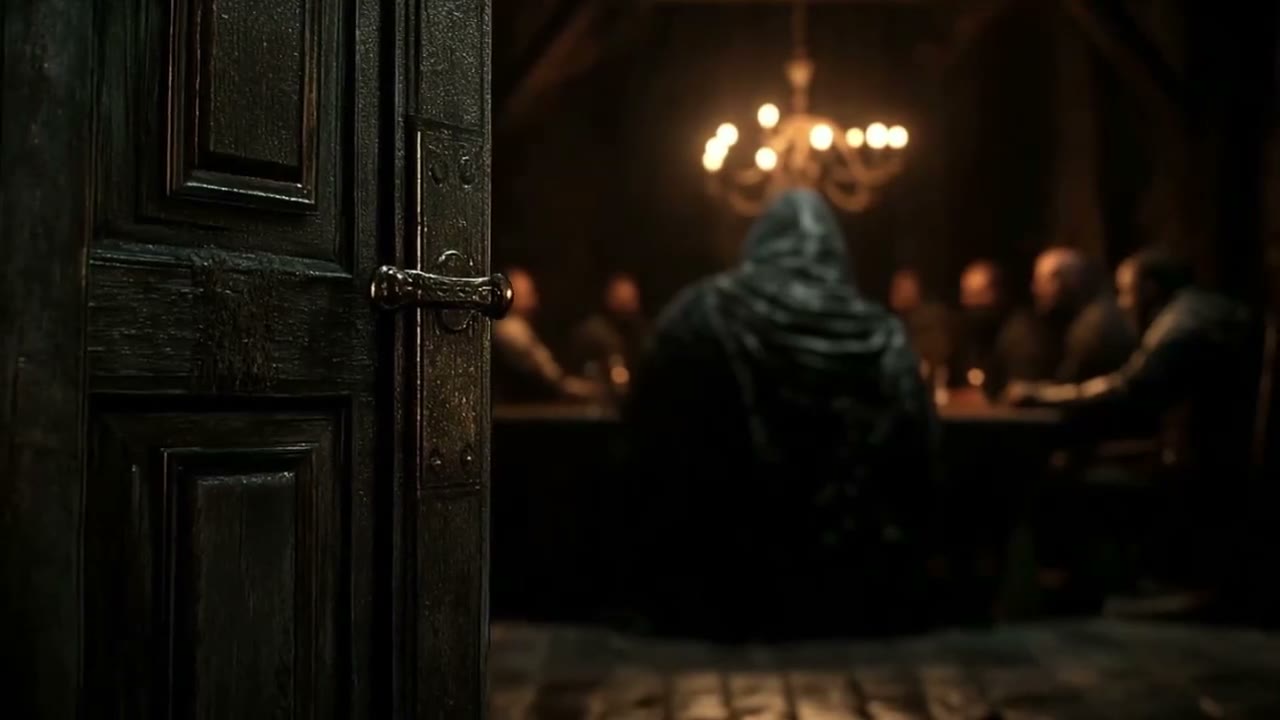
  2. A candlelit council table, a hooded figure with his back to the door
    Venice 1498

    The Mint Conspiracy

    Find who is debasing the coin before the mint closes at the bell. Someone in the room knows.

    LoadsCommunication clarity · Adaptive leadership · Empathy

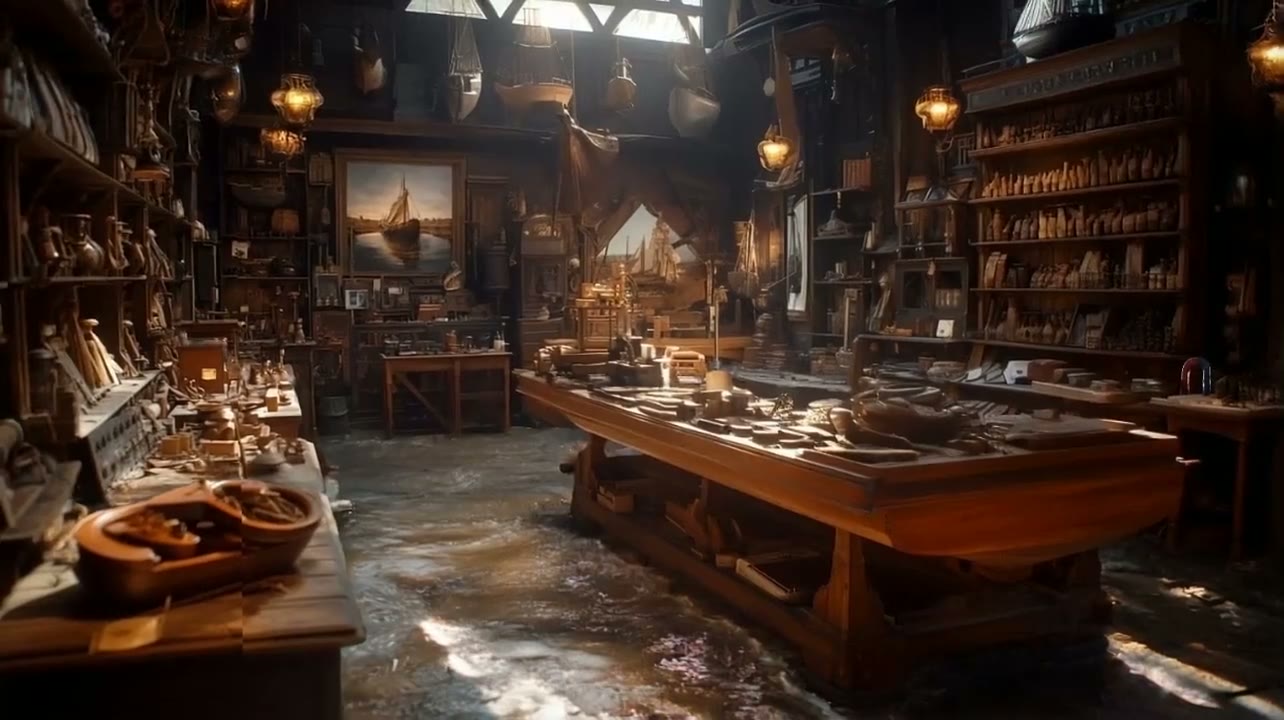
  3. A ship workshop, tools on the bench, water across the floor
    Amsterdam 1702

    The Flooded Shipyard

    Get one hull seaworthy with half the crew, rising water and a deadline set by the tide.

    LoadsProject and organizational skill · Creativity and innovation · Resource management

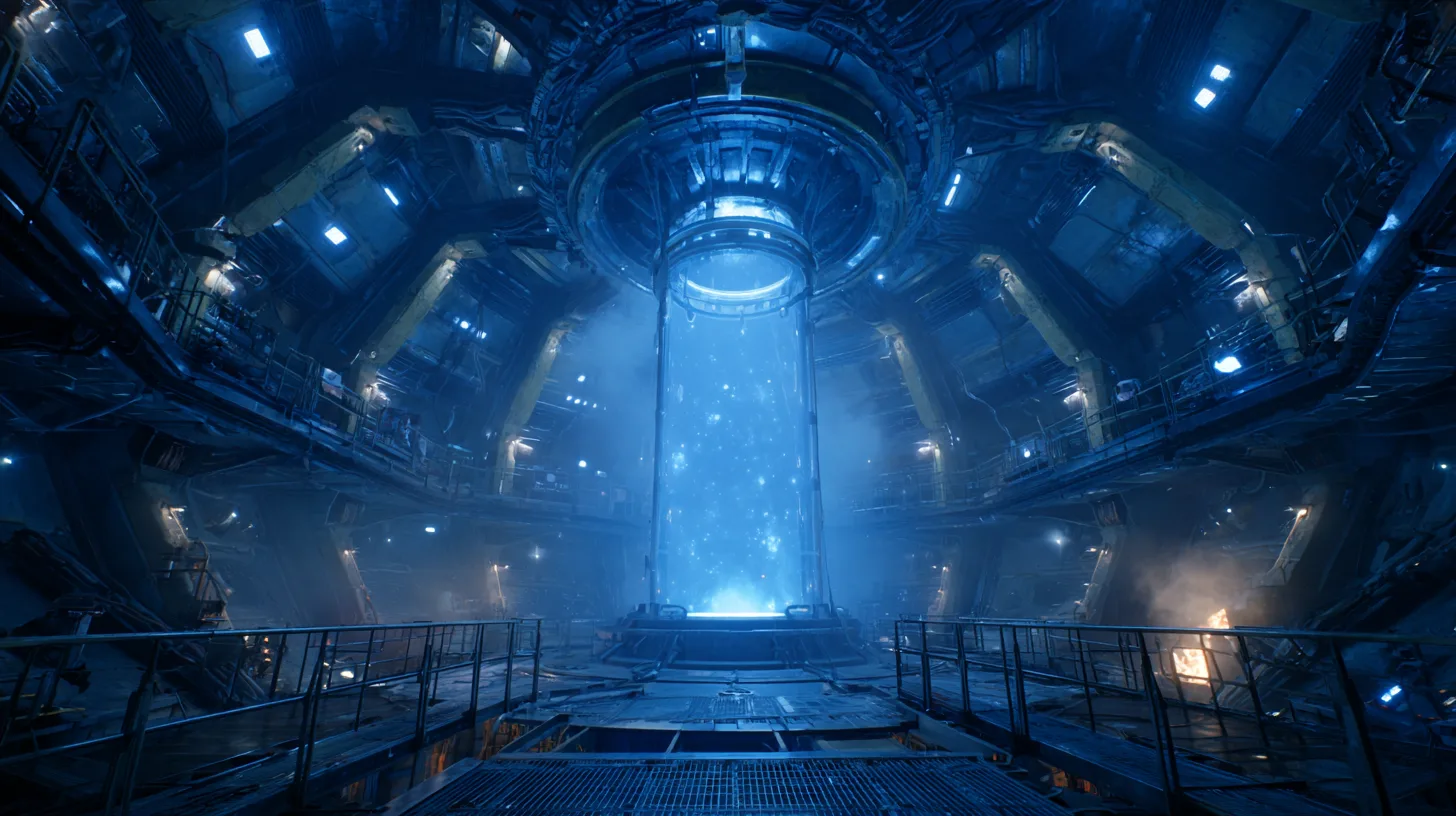
  4. A station control room lit from below, a console ring glowing blue
    Orbit 2100

    The Dormant Engine

    Wake a mechanism nobody alive has operated, with the manual in a language the station forgot.

    LoadsCreativity and innovation · Delegation · Learning agility

sampleTeam Dynamics Wheel, flattened · sample team · percentile of the Cohort

  1. Trust 54-63
  2. Conflict 28-35
  3. Voice 40-49
  4. Velocity 30-38
  5. Roles 22-31
  6. Pressure 71-80
  7. Learning 58-66

Bands, not points. The Cohort is the anonymized benchmark set; its size is not published. Each session you run adds to it.

25 competencies · 5 families · 92 indicators

  • Communication clarity
  • Empathy
  • Negotiation
  • Stakeholder management
  • Cultural competence
  • Collaboration
  • Trust and psychological safety
  • Conflict resolution
  • Team identity
  • Accountability
  • Adaptive leadership
  • Decision-making and execution
  • Delegation
  • Motivation and initiative
  • Strategic thinking
  • Project and organizational skill
  • Resource management
  • Risk management
  • Analytical ability
  • Persistence
  • Creativity and innovation
  • Flexibility and change
  • Learning agility
  • Stress tolerance
  • Emotional self-regulation

Eight methodologies

Signals are mapped to 92 indicators, 25 competencies and 7 dimensions through eight established models, so the report drops into the frameworks your L&D team already uses.

How the pipeline is built, on the science page
  1. 01 MBTI
  2. 02 Process Communication Model (PCM)
  3. 03 Belbin Team Roles
  4. 04 Drexler-Sibbet Team Performance Model
  5. 05 Situational Leadership
  6. 06 Lencioni's Five Dysfunctions of a Team
  7. 07 Lencioni's Six Types of Working Genius
  8. 08 Hawkins' High-Performance Team model
  9. Names are trademarks of their respective owners. Alice synthesizes through these models and is not affiliated with or certified by them.

Who it is for, and what it costs

Four rooms. One instrument.

HR and L&D leaders. Founders of 50-500-person companies. Consultancies, coaches and business schools. Investors and acquirers doing management diligence. Solo Probe is free. A Team Session is $2,900 for 5-12 participants, the Alice Report included: $242-580 per participant. Growth is $19,000 a year for ten sessions, cohort benchmarks, exports, Pulse-Tests and a success manager.

Pricing · Annual billing in USD.

  1. Solo Probe Free

    10-12 minutes, 10 decision points, First Glance. No account, no card, no install.

  2. Team Session $2,900 per session

    5-12 participants, 120-180 minutes, the Alice Report 15 minutes after the last decision.

  3. Growth $19,000 per year

    10 sessions, cohort benchmarks, HRIS and Excel exports, success manager, Pulse-Tests at 30 and 90 days.

  4. Enterprise Custom

    SSO/SAML, data residency EU/US, custom worlds built per contract, API (private beta), unlimited seats.

  5. Partner $990 / month + $1,400 platform fee, plus per session

    White-label Alice Reports with your logo. You set the client price.

$242-580 per participant for 120-180 minutes, a report and a 90-day playbook.

Larger teams split into two sessions and compare on the same benchmark, which is what Growth's ten sessions are for.

What we keep · what we delete · what we never do

Ready to see your team without the masks?

What we keep: encrypted session data, role-based access, your report. What we delete: raw audio within 24 hours unless you opt in. What we never do: facial recognition, emotion recognition. GDPR-ready processing. SOC 2 Type II is in progress; we will say so until it is not. Built by Slava Fedoseev, 20+ years of digital products for global brands including Samsung, Ford and Philips, and Mila Ekimenko, 20+ years of leadership development, mediation and facilitation.

Start the Solo Probe Free. 10-12 minutes. Your browser, your voice.
Book a team session A manager replies within one business day.

Trust, as on the security page

  1. No facial recognition. No emotion recognition.

    Alice listens to what people say and do. She does not read faces or infer emotions, by design.

    LIVE
  2. Raw audio deleted within 24 hours

    Audio is processed during the session. Raw recordings are deleted within 24 hours unless the client opts in to keep them.

    LIVE
  3. Encryption in transit and at rest

    Session data, transcripts and reports are encrypted in transit and at rest.

    LIVE
  4. Role-based access

    Each participant receives their own Gap Card. The sponsor sees the team report and, by the policy set at onboarding, individual cards or only aggregates.

    LIVE
  5. Participants consent before the Room opens

    Every participant sees what Alice does with audio and agrees on the Room Check screen. Nothing is hidden from participants except the plot.

    LIVE
  6. Decision support, not automated decisions

    The Alice Report is decision support for a human debrief, not an automated decision about anyone.

    LIVE
  7. GDPR-ready processing

    Processing is designed for GDPR: lawful basis, minimization, retention limits, data subject rights.

    LIVE
  8. Data residency EU/US

    Available on Enterprise.

    LIVE
  9. SOC 2 Type II in progress

    SOC 2 Type II is in progress; we will say so until it is not.

    IN PROGRESS
Read the security page

Built by

  • Slava Fedoseev, Co-founder, CEO and product

    Slava Fedoseev

    Co-founder, CEO and product

    20+ years building digital products for global brands including Samsung, Ford and Philips. Serial entrepreneur. Expert in digital and AI transformation. He is building the platform.

  • Mila Ekimenko, Co-founder, Chief Methodologist

    Mila Ekimenko

    Co-founder, Chief Methodologist

    20+ years in leadership development. Business trainer, mediator and facilitator. Author of programs on open dialogue in teams and the leader's strategic communication. She built the method and the 92 indicators.

About the founders